
Why DIY Water Damage Restoration is a Bad Idea

When water gets into a home, many property owners think the fix is simple: mop it up, run a few fans, and move on. At first glance, that sounds reasonable. But in real-world water losses, the visible water is only part of the problem. What you do not see behind walls, under flooring, inside insulation, or above ceilings is often what causes the most expensive damage later.

That is exactly why DIY cleanup can go wrong so fast.

A minor spill on a tile floor is one thing. But a burst pipe, ceiling leak, appliance overflow, storm intrusion, or flooded basement is very different. In those situations, water can spread quickly, soak porous materials, weaken finishes, and create the perfect conditions for mold. EPA guidance stresses that water-damaged materials should be dried within 24 to 48 hours whenever possible to reduce mold risk, and hidden wet areas are a common reason problems keep getting worse after a “quick cleanup.” Here, DIY cleanup usually fails

This is the biggest reason homeowners underestimate water damage.

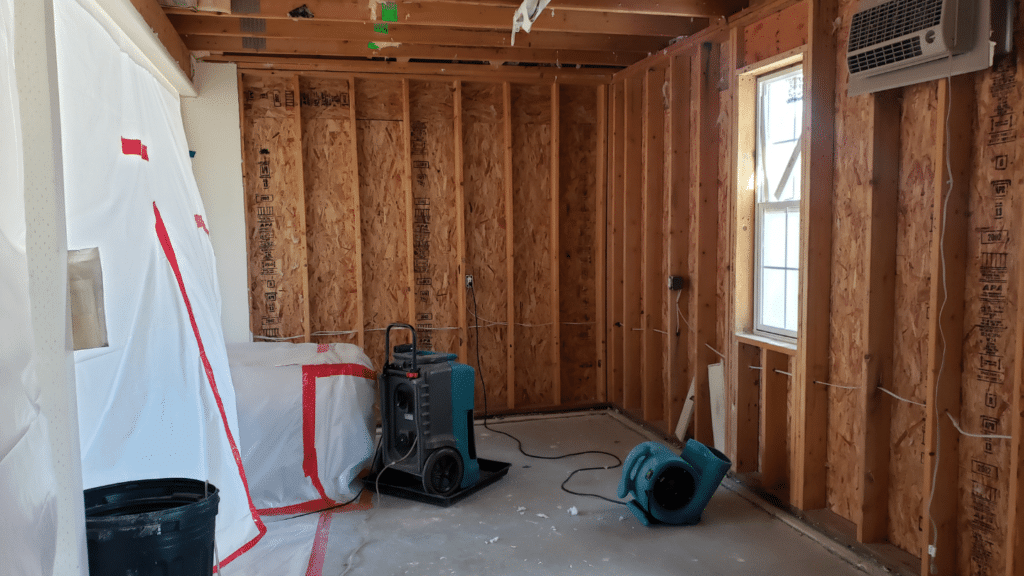
You may remove standing water from the surface and still have moisture trapped behind baseboards, inside drywall, under laminate, beneath carpet padding, or in subfloor materials. In other words, the room can look dry while the structure is still wet. And once moisture is trapped in hidden spaces, the damage does not pause just because the floor looks better.

That is where professional water damage restoration makes a real difference. Proper restoration is not just about drying what you can see. It is about finding the moisture you cannot see, drying the structure correctly, and reducing the chance of secondary damage.

Mold can start becoming a real problem faster than people think

A lot of DIY articles make water cleanup sound like a weekend task. In reality, timing matters.

EPA recommends drying wet materials within 24 to 48 hours, because prolonged dampness significantly increases the chance of mold growth. CDC also advises drying out a water-damaged home as soon as possible to help prevent mold. Response can turn a water issue into a mold issue.

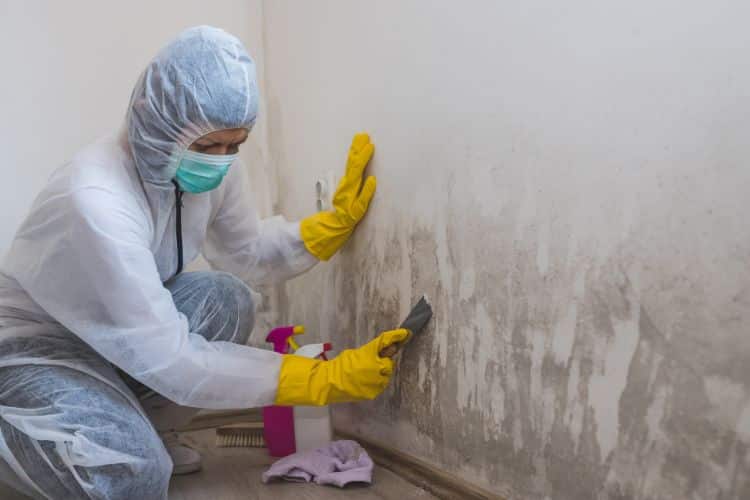
And that changes the scope of the problem. Once mold begins to spread, the job is no longer just cleanup. It may require a professional mold inspection to identify the extent of contamination, followed by proper mold remediation and, in more severe cases, targeted mold removal of damaged materials.

So yes, fans and open windows may help in very small situations. But they are not a substitute for a real drying plan when water has moved into walls, ceilings, flooring systems, or multiple rooms.

Water damage can create serious safety hazards

This is another area where DIY work can become risky very quickly.

If water reaches outlets, wiring, appliances, or electrical panels, the area may not be safe to enter or handle without proper precautions. FEMA specifically warns homeowners to turn off main electrical power and check for damage after flooding or major water events, while CDC warns that re-entering or cleaning after flooding can involve electrical and structural hazards. termination issue.

Floodwater and stormwater are not the same as clean water from a fresh spill. FEMA notes that floodwaters can carry bacteria, oil, heavy metals, pesticides, and other contaminants, while the CDC recommends protective gear if contact with floodwater is unavoidable. age, stormwater, or any water you cannot confidently classify as clean, DIY cleanup is not just risky for the property. It may be risky for your health, too.

Structural damage is easy to miss until it becomes expensive

Another problem with do-it-yourself water cleanup is that it focuses on the obvious mess, not the full building impact.

Water can warp floors, swell trim, soften drywall, stain ceilings, damage insulation, and weaken materials over time. Sometimes the structure does not fail dramatically right away. Instead, the warning signs show up gradually: sagging drywall, soft spots underfoot, peeling finishes, musty odor, repeated staining, or recurring mold in the same area.

That is why a property can seem “fine” a few days after cleanup and still develop a much larger restoration problem later.

And if the affected area includes older painted surfaces, trim, or walls in pre-1978 properties, there may also be lead-safe concerns during demolition or repair. In those cases, it is smart to coordinate water-related repairs with qualified Lead Services before opening walls or disturbing damaged painted materials.

DIY cleanup can also complicate the repair process

Here is something many homeowners do not consider: a rushed cleanup can make the next steps harder.

For example, people often discard materials too early, overlook hidden damage, fail to properly document the loss, or begin repair work before the structure is fully dry. Later, when odors persist or mold appears, they have to reopen the finished areas and pay twice.

A more effective approach is to separate the job into the right stages:

Stop the source, protect the area if safe, document the damage, dry and assess correctly, and only then move into repair.

That final step matters. Once moisture problems are fully addressed, quality renovations can restore the property the right way instead of covering up damage that is still active behind the surface.

When can a homeowner handle it alone?

To be fair, not every wet area requires a large emergency response.

A small, clean-water spill that is caught immediately and fully dried may be manageable. But DIY stops being a good idea when:

  • Water has affected drywall, insulation, ceilings, or flooring systems
  • The source may be contaminated
  • The area smells musty
  • More than one room is involved
  • Water has been sitting for hours or days
  • There is visible staining, swelling, or soft material
  • You suspect hidden moisture behind finishes
  • Mold is already visible
  • At that point, the cheapest decision is often not the DIY decision. It is the right decision to make early.

What to do instead

If you discover water damage, act fast, but do not act blindly.

First, stop the source if you can do so safely. Then document the affected areas with photos. Avoid contact with questionable water. Do not assume a dry-looking surface means the structure is dry. And do not rush into cosmetic repairs before the space has been properly evaluated.

The smartest move is to bring in professionals who can assess moisture, identify hidden damage, and determine whether the issue is limited to cleanup or a broader restoration problem.

Final thought

DIY water cleanup sounds like a money-saving solution, but in many cases, it does the opposite. It misses hidden moisture, delays proper drying, increases mold risk, and can expose you to electrical, structural, and contamination hazards. By the time the real damage becomes visible, the repair is often larger and more expensive than it would have been with a proper response from day one.

If the water event is more than minor and truly superficial, treat it like a restoration issue, not just a cleanup chore.

Scroll to Top