
The Top 5 Signs You Need Mold Removal Services in Your Home

Mold problems rarely start with a dramatic warning. More often, they begin quietly: a stubborn musty smell, a damp spot that keeps returning, or allergy-like symptoms that seem worse at home than anywhere else. And that is exactly why homeowners miss the early signs. By the time mold becomes obvious, the moisture issue behind it has often been there for a while. EPA and CDC guidance both stress the same core point: if mold is growing indoors, the problem is not just the mold itself — it is the underlying moisture that allows it to keep coming back.

So, how do you know when it is time to stop guessing and bring in professional help? Below are five of the clearest signs your home may need expert mold cleanup, along with why they matter.

At Crown Mold Specialists, we provide expert mold removal in NYC, available day or night


1. There is a persistent musty smell, even when you cannot see mold

This is one of the most common early warning signs. If a room, basement, bathroom, laundry area, or crawl space has a lingering earthy or moldy odor, something is usually going on. EPA explains that microbial volatile organic compounds can create the classic “moldy” or musty smell associated with mold growth, and that odor suggests mold should be investigated. In other words, the smell itself is not something to brush off.

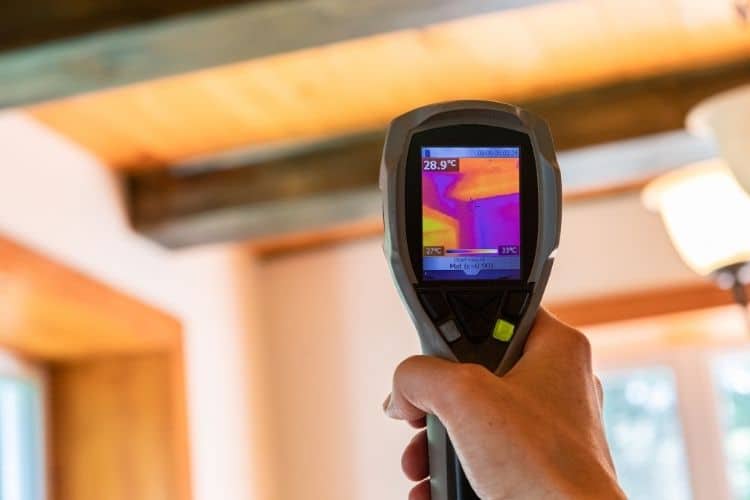
Now here is the important part: if you smell mold but cannot find it, that does not mean the problem is minor. It may mean the growth is hidden behind drywall, under flooring, inside cabinetry, around HVAC components, or in another concealed damp area. That is where a professional mold inspection becomes valuable. Instead of guessing, you identify whether the odor is tied to active growth, past water intrusion, or a larger moisture problem that needs correction.

2. You can see discoloration, spotting, or visible mold growth

Visible mold is the sign homeowners take most seriously — and for good reason. CDC states plainly that if you see or smell mold, it should be removed, and any mold growing in a building indicates a water or moisture problem that should be addressed.

Still, visible growth does not always look dramatic. Sometimes it appears as black, green, brown, or gray spotting on walls, ceilings, caulk lines, baseboards, around windows, or near vents. Other times it shows up as staining, fuzzy patches, or repeated discoloration in the same place. And yes, people often confuse mildew, dirt, staining, and mold at first.

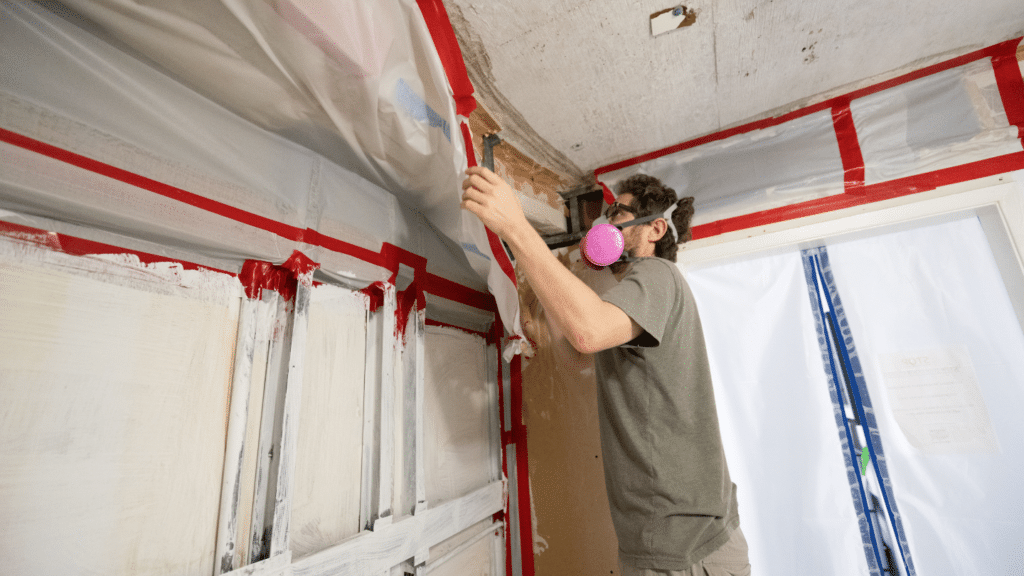
That is why the right response is not just to wipe the surface and move on. If the growth keeps returning, spreads, or appears after a leak or humidity issue, surface cleaning alone usually does not solve the root cause. At that point, professional mold removal is often the safer and more effective next step, especially when porous materials or hidden cavities may be involved.

3. People in the home have worsening allergy-like or respiratory symptoms

This sign is easy to overlook because it does not always look like a building problem at first. Instead, it looks like recurring sneezing, coughing, wheezing, itchy eyes, throat irritation, congestion, or symptoms that feel worse in certain rooms or after spending time at home. EPA notes that mold can produce allergens and irritants, and CDC/NIOSH reports that people in damp buildings more often report respiratory symptoms and related health effects, including worsening asthma and allergic rhinitis.

Of course, symptoms alone do not prove mold. But when those symptoms show up together with musty odor, recent water damage, dampness, or visible staining, the pattern matters. That is especially true for children, older adults, people with asthma, and anyone already sensitive to indoor air quality issues.

This is where professional mold remediation can be more appropriate than casual DIY cleanup. Why? Because remediation is not just about removing what you can see. It is about addressing contaminated materials, controlling the spread, correcting the moisture source, and reducing the chance that the same issue will keep affecting the indoor environment.

4. Your home recently had water damage, leaks, or chronic dampness

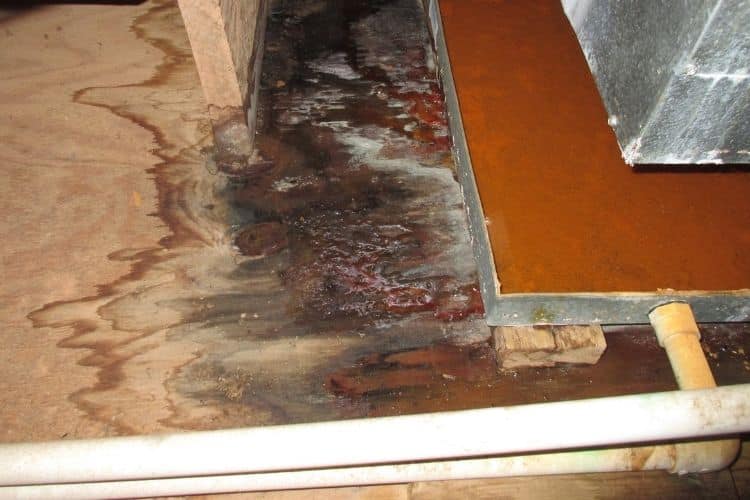
This is one of the biggest red flags, even before mold becomes visible. CDC notes that mold grows where there is moisture, including around leaks in roofs, windows, or pipes, or after flooding. EPA also emphasizes that controlling moisture is the key to controlling mold.

So if your home has had a roof leak, burst pipe, overflowing appliance, foundation seepage, basement flooding, or repeated bathroom moisture problems, mold risk goes up fast. And frankly, this is where many homeowners underestimate the issue. They dry the obvious area, repaint the stain, and assume the problem is over. Meanwhile, wet drywall, damp insulation, soaked subflooring, or trapped moisture behind trim can continue feeding mold out of sight.

That is why homes with recent leaks or flooding often need more than a quick cleanup. In many cases, the smarter first step is evaluating whether you also need professional water damage restoration. If the moisture event was significant, restoration and mold work are often connected, not separate problems.

5. The air feels humid, muggy, or the same areas keep getting damp

Sometimes the sign is not a leak. Sometimes it is ongoing indoor humidity.

EPA says indoor relative humidity should be kept below 60%, ideally between 30% and 50%, and also notes that high humidity increases the likelihood of mold.

So if certain rooms always feel sticky, bathroom mirrors stay fogged, window condensation is frequent, or closets and corners feel damp, that persistent humidity may be helping mold grow even without a dramatic water event. Basements, crawl spaces, poorly ventilated bathrooms, and homes with insulation or drainage issues are especially vulnerable.

And here is where the article gets practical: if the same areas repeatedly show dampness, bubbling paint, staining, or mold return, the problem may already be moving beyond “cleanup” and into repair territory. Once the moisture source is corrected and contamination is properly handled, targeted renovations may be needed to replace damaged drywall, trim, flooring, or other affected finishes the right way.

One more issue homeowners should not ignore: older painted surfaces

If mold cleanup or moisture-related demolition affects walls, trim, ceilings, or other painted materials in an older home, there may also be lead-safe considerations. That matters most in pre-1978 properties, where disturbing damaged painted surfaces during cleanup or repair can create a separate hazard that should be handled carefully. In those situations, it is smart to coordinate with qualified Lead Services before opening up affected areas.

Final thought

A musty smell, visible growth, worsening indoor symptoms, recent water damage, and constant indoor dampness are not random annoyances. More often, they are connected signs pointing to the same underlying issue: excess moisture and potential mold growth in the home. And the longer that combination is ignored, the more likely it is that the damage spreads, air quality worsens, and repairs become more expensive. EPA and CDC both make the core principle clear: if mold is present indoors, the real solution is not masking it — it is removing it and fixing the moisture problem behind it.

Scroll to Top